Atmospheric Conditions and Their Effects on Athletic Performance Data in Open-Air Betting Markets
Written by Rafael Friedrich · Aug 25, 2026
Atmospheric Conditions and Their Effects on Athletic Performance Data in Open-Air Betting Markets
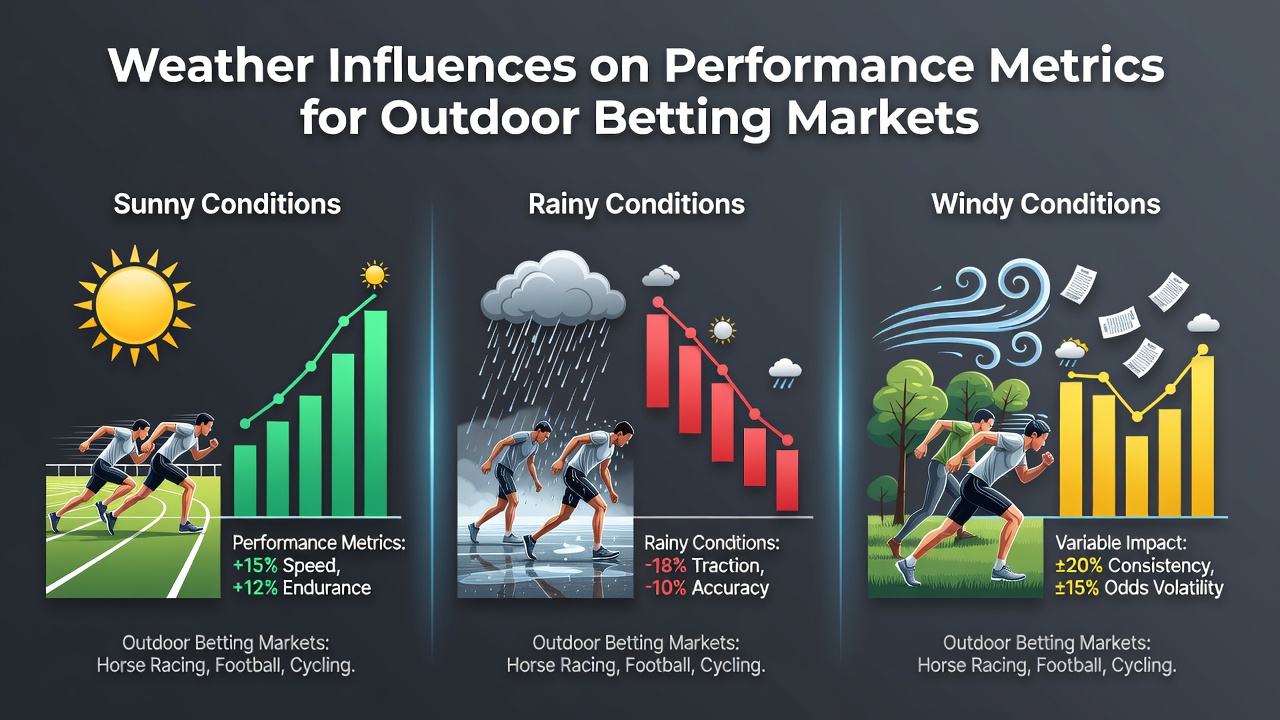
Weather elements such as temperature, precipitation, wind speed, and humidity alter athletic outputs across multiple outdoor sports, which in turn shapes the performance metrics that betting markets rely upon for setting odds and tracking results. Observers note that these environmental variables influence everything from player stamina in football matches to ball trajectory in tennis rallies and horse times on racecourses, and data from various competitions shows measurable shifts in key statistics when conditions deviate from average baselines.
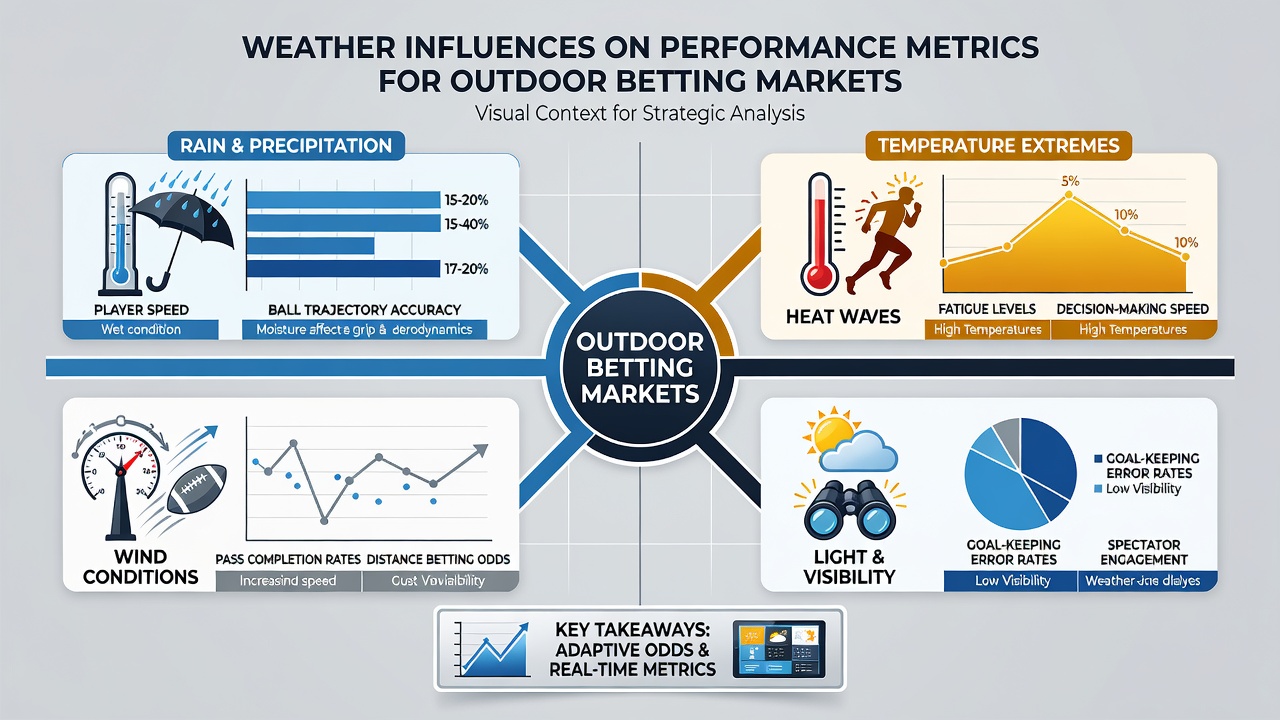
Take temperature as a starting point. Higher readings accelerate fatigue in endurance-based events while cooler air can preserve energy reserves for longer periods. Studies conducted by sports science groups indicate that football players cover 5 to 8 percent less distance in matches exceeding 28 degrees Celsius compared with sessions at 18 to 22 degrees, and similar patterns appear in marathon data compiled by athletic federations. Those who analyze betting lines adjust expected goal totals and player prop markets accordingly because historical records reveal consistent drops in scoring efficiency under heat stress.
Temperature Variations Across Different Sports
In horse racing, ambient heat affects both equine recovery rates and jockey decision-making on pace, with records from Australian tracks demonstrating that winning times lengthen by an average of 1.2 seconds per 5-degree increase above seasonal norms. Golf tournaments provide another example where midday temperatures above 30 degrees correlate with higher scores on later holes, as fatigue compounds on approach shots and putting accuracy declines. Researchers tracking these trends across North American circuits have documented how bookmakers widen or narrow spreads on player performance metrics to reflect these documented environmental pressures.
Precipitation introduces entirely separate variables because rain alters surface friction, visibility, and equipment behavior. Football pitches become slick, which reduces sprint distances and changes tackle success rates, while tennis courts slow ball bounce and extend rally lengths. Data compiled by meteorological agencies paired with sports performance logs shows that matches played in steady rain produce 12 to 15 percent fewer aces in professional tennis, prompting markets to recalibrate over/under totals on service games. Horse racing on turf tracks experiences the most pronounced effects, as going descriptions shift from firm to soft or heavy, directly extending race times and changing favorite win percentages.
Wind Speed and Direction Impacts
Wind speed and direction further complicate performance calculations, especially in sports where aerodynamics play a central role. Golf shots into headwinds lose distance while crosswinds push trajectories offline, and records from professional tours indicate average driving distances drop by up to 15 yards in sustained winds exceeding 25 kilometers per hour. Tennis players adjust swing paths and positioning when gusts exceed 20 kilometers per hour, leading to elevated error counts on groundstrokes according to match statistics collected by international federations. Betting markets incorporate these factors by adjusting live odds on point totals and set winners once wind reports update during events.
Humidity levels compound these challenges by affecting both athlete respiration and equipment grip. Elevated moisture content in the air reduces evaporative cooling, which accelerates perceived exertion and elevates heart rates during prolonged activity. Cricket matches played in high humidity environments show reduced bowling speeds after the first innings, and baseball data from humid regions reveals lower batting averages on days when dew points climb above 22 degrees. Performance databases maintained by European sports research institutes confirm these patterns across multiple seasons, allowing markets to refine player-specific metrics for prop bets and accumulators.
Regional Data and August 2026 Observations
Regional differences matter because venues in coastal versus inland locations experience distinct weather patterns that affect long-term betting models. Coastal stadiums encounter more consistent wind and humidity fluctuations, whereas inland sites face greater temperature extremes that influence second-half performance in team sports. Reports from the National Oceanic and Atmospheric Administration highlight how seasonal forecasts help analysts anticipate shifts in these performance baselines months in advance, which informs the construction of seasonal betting lines.
August 2026 brought several high-profile outdoor events where weather data directly correlated with statistical deviations. Multiple tennis tournaments recorded extended match durations during periods of elevated humidity, while football fixtures in northern Europe saw reduced high-intensity running totals on rain-affected pitches. These occurrences aligned with updated performance models that betting operators use to recalibrate real-time odds and player evaluation metrics.
Visibility reductions from fog or heavy precipitation create additional layers of complexity for sports that depend on precise tracking of object movement. Baseball and cricket both experience measurable changes in outfield defense success rates when visibility drops below 300 meters, and historical datasets show corresponding adjustments in expected run totals. Markets that incorporate live weather feeds can shift lines quickly once conditions deteriorate, reflecting the updated probability distributions derived from past similar environments.
Conclusion
Performance metrics in outdoor betting markets remain sensitive to atmospheric conditions because temperature, precipitation, wind, and humidity each modify athlete outputs and equipment behavior in quantifiable ways. Data from multiple sports and geographic regions demonstrates consistent statistical shifts that operators and analysts incorporate into pricing models. As environmental monitoring improves and historical datasets expand, these weather-adjusted performance indicators continue to refine the accuracy of betting market expectations across football, tennis, horse racing, and other open-air competitions.