Reward Pathways Linking Casino Floors to Stadium Sidelines in Modern Wagering
Written by Rafael Friedrich · Sep 2, 2026
Reward Pathways Linking Casino Floors to Stadium Sidelines in Modern Wagering
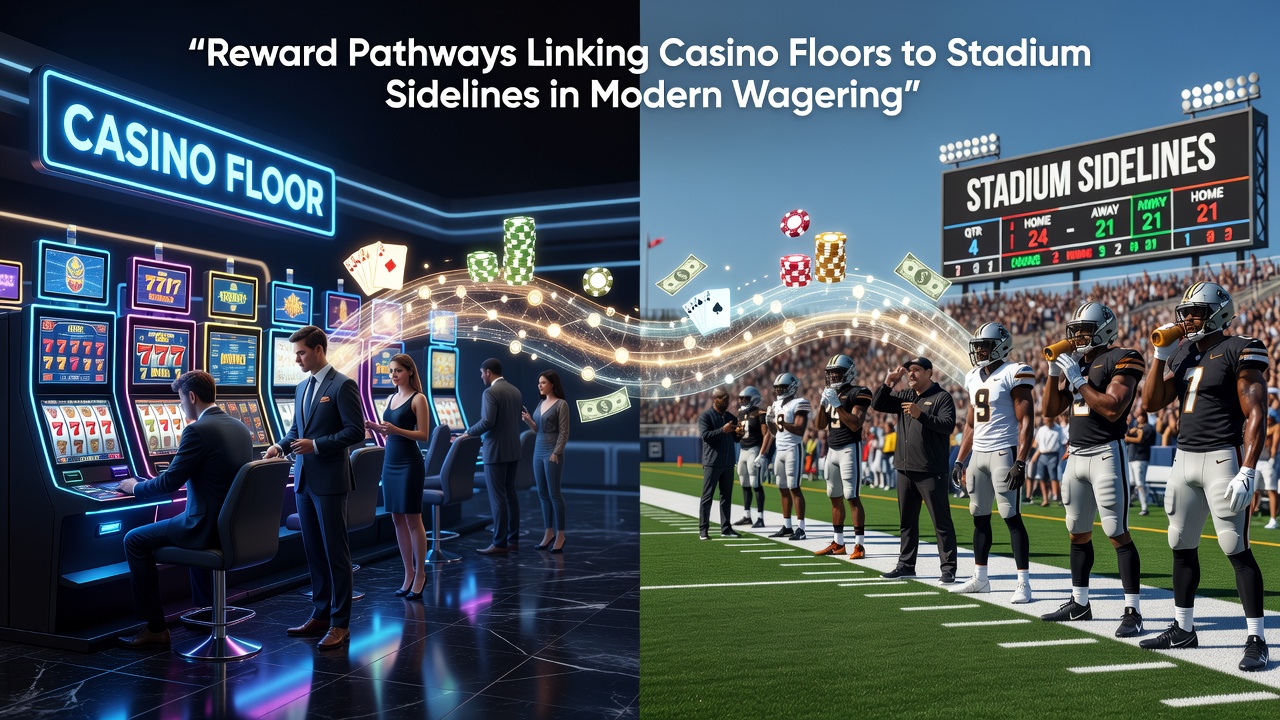
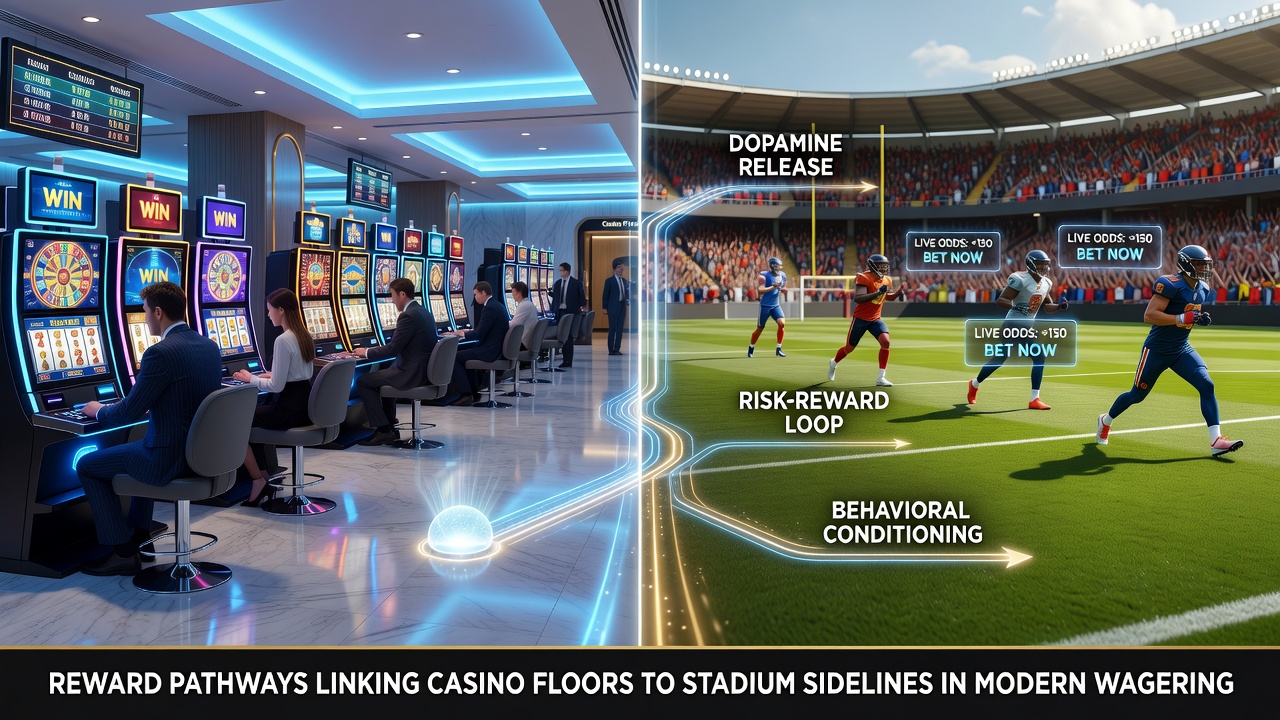
Modern wagering activates the same neural reward circuits whether a player sits at a casino slot machine or tracks live odds from stadium seats, and researchers continue to map how dopamine release, anticipation cycles, and reinforcement schedules operate across both environments. Studies from neuroscience labs show that variable-ratio reward structures in electronic gaming devices mirror the unpredictable outcomes found in point spreads, over-under totals, and in-play propositions, which keeps participants engaged through similar biochemical pathways.
Brain imaging data collected over the past decade indicates that wins in either setting trigger comparable surges in the mesolimbic dopamine system, while near-misses and almost-wins produce partial activations that encourage continued play. Observers note that operators now integrate loyalty programs, push notifications, and real-time odds adjustments that deliberately exploit these shared mechanisms, and the result is a seamless crossover between table games and sports propositions for many participants.
Neural Mechanisms Shared Across Venues
Functional MRI research conducted at institutions in North America and Europe has documented overlapping activation patterns in the ventral striatum and prefrontal cortex during both casino sessions and sports betting episodes, and these findings appear consistently across different participant groups. The nucleus accumbens responds to the uncertainty inherent in roulette spins just as it does to the final whistle in a football match, which explains why many individuals report equivalent excitement levels in both contexts.
Neurotransmitter studies further reveal that serotonin and norepinephrine fluctuations accompany extended gambling sessions regardless of format, and longitudinal data collected through university partnerships shows that tolerance development follows comparable timelines whether someone favors blackjack tables or accumulators on basketball games. Experts tracking these patterns emphasize that the brain does not distinguish sharply between a spinning reel and a last-second three-point attempt when reward prediction errors occur.
Platform Integration and Cross-Format Engagement
Operators have built unified accounts that let users move from digital table games to live sports markets without changing interfaces, and data from North American regulatory filings illustrate rising session times when both categories sit inside the same application. September 2026 marks the scheduled rollout of several multi-state platforms in the United States that synchronize casino-style progressives with sports betting leaderboards, creating continuous reward loops that span both verticals.
Industry reports from Canadian provincial regulators and Australian state agencies document similar convergence trends, where bonus structures originally designed for slot play now apply to parlay bets and vice versa. Those who have examined transaction logs observe that players who begin with one category frequently migrate toward the other once reward balances become interchangeable, and the design choice reduces friction while amplifying the underlying reinforcement schedule.
Regulatory and Research Perspectives
Health authorities in multiple jurisdictions have begun requiring operators to disclose how reward mechanics function across product types, and a recent collaborative paper from researchers at the University of Sydney and the National Institute on Drug Abuse outlines parallels between casino reward pathways and those engaged during live sports wagering. The analysis highlights that both environments rely on intermittent reinforcement, yet the speed of feedback differs, with in-play sports markets often delivering outcomes faster than traditional table games.
European monitoring bodies outside the United Kingdom have likewise compiled comparative statistics showing elevated engagement metrics when loyalty tiers cover both casino and sports products, and these reports feed into broader discussions on harm minimization tools that address the unified reward experience rather than isolated formats. Observers tracking September 2026 regulatory calendars note upcoming consultations in several Australian states that will examine whether unified reward disclosures should become mandatory across integrated platforms.
Conclusion
The convergence of reward pathways across casino floors and stadium sidelines continues to shape how modern wagering systems operate, and ongoing research from diverse geographic sources provides clearer maps of the shared neural and behavioral dynamics at work. Data released through academic and governmental channels underscores that these mechanisms remain consistent even as delivery platforms evolve, while cross-format loyalty structures accelerate the overlap. Those monitoring developments into late 2026 will likely see further refinements in how operators present and regulators oversee these interconnected reward environments.